Following the fall of the Roman Empire, wine continued to play an important role throughout the Iberian Peninsula.Wine History in Spain: Middle Ages to Modern Winemaking to tell the history from medieval monasteries and Islamic rule to the phylloxera crisis and the rise of modern wineries, Spain’s wine history is a story of resilience, adaptation and innovation.
Today, Spain is one of the world’s leading wine-producing countries, but its success is rooted in centuries of tradition and transformation.
In this second part of our journey through Spanish wine history, we explore how wine evolved from the Middle Ages to the modern era and how regions such as Utiel-Requena helped shape the industry we know today.
Wine During the Middle Ages
After the collapse of Roman authority in Hispania, wine production did not disappear.
Although political control changed several times throughout the peninsula, vineyards continued to be cultivated and wine remained an important agricultural product. Visigoths, also christians (as Romans at the end of the Empire), kept cultivating vines while the were in the Ibverian Peninsula. During the Middle Ages, monasteries became essential centers of wine production. Monks preserved viticultural knowledge, maintained vineyards and improved cultivation techniques.
Wine was used not only for daily consumption but also for religious ceremonies, ensuring its continued importance throughout medieval society.
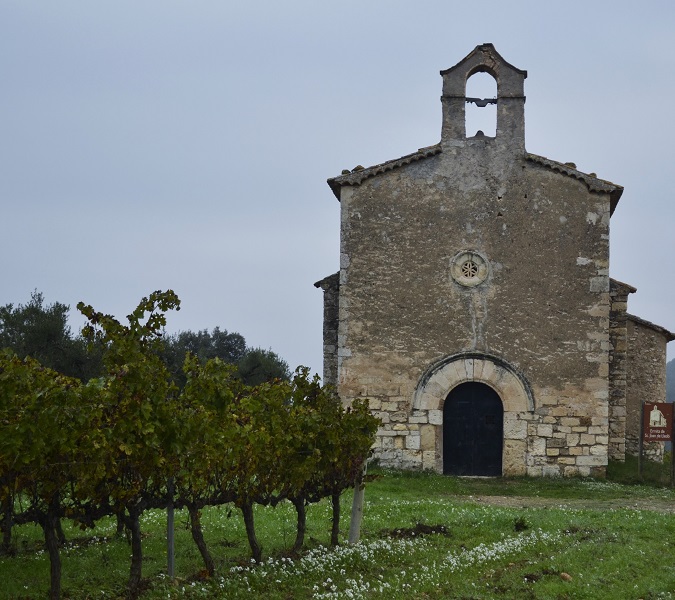
Wine Under Islamic Rule
One of the most fascinating periods in Spanish history is the era of Al-Andalus. Arrived on the 711, and in just few yars they conquered until France.
Although Islamic law generally prohibited the consumption of alcohol, vineyards were not completely abandoned. Grapes remained important for food, raisins, medicinal uses and trade.
Historical sources suggest that wine continued to be produced in certain areas, particularly where Christian and Muslim communities coexisted. Think that some muslim kept drinking wine. An example is a poem from a poet from Baleniya (Valencia), Al-Russafi that said:
And an evening of pure, pleasant sight,
Which we spent exclusively with pure wine.
It was as if the sun, in its midst,
Pressed its cheek against the earth to descend.
The breeze lifts the skirts of the hills,
And the face of the sky was like a polished sword.
How delightful is our home as we drink the evening wine,
Where nothing watches us but the cooing of doves,
A singing bird and a bending branch,
As the darkness drinks the red wine of the dusk.
Many agricultural techniques introduced during this period helped improve irrigation systems and agricultural productivity throughout the peninsula.
The Expansion of Wine After the Reconquista
As Christian kingdoms expanded southward creating new Kingdoms. With them, vineyards spread once again across many regions of the Iberian Peninsula.
Wine became increasingly important in local economies and trade networks. New settlements planted vineyards, and wine consumption grew among both rural and urban populations.
During this period, several of today’s historic wine-producing regions began to consolidate their identity.
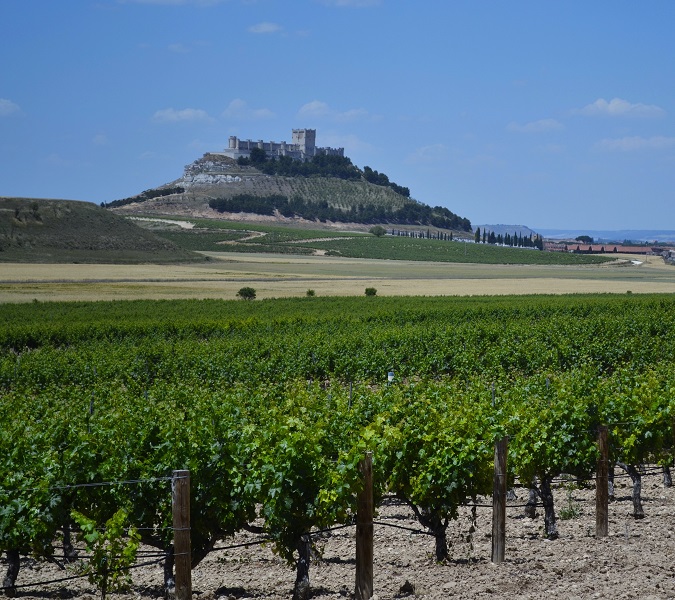
Utiel-Requena and the Tradition of Clay Amphorae (TINAJAS)
One of the most distinctive wine traditions developed in the Utiel-Requena region (but also in other regions in center and east ern Peninsula). Carcteristics of the land (clay) made possibvle to use the material tocreate huge clay pots for the storing of the wine in caves. For centuries, local potters produced large clay vessels known as tinajas, which were used sometimes for fermenting and storing wine.
The pottery workshops of Utiel became famous throughout the region, supplying wineries with containers that played a fundamental role in winemaking before the widespread adoption of barrels and modern tanks.
Today, these enormous clay vessels remain one of the most recognizable symbols of the region’s wine heritage.
👉 Learn more about the traditional clay vessels in Utiel-Requena
Wineries Near Valencia
The Phylloxera Crisis and a New Opportunity
In the late nineteenth century, European vineyards were devastated by phylloxera, a tiny insect that attacked vine roots.
The disease destroyed vast areas of vineyards across France and much of Europe.
For Spanish wine regions, however, the crisis initially created an opportunity. Having the Pyrinees, Phylloxera didn’t afected on first trem to Spain and Portugal and created the opportunity for those countries to supply wine to the rest of the World.
As French production collapsed, demand for Spanish wine increased dramatically. Regions such as Utiel-Requena expanded production and exports to meet growing international demand.
This period marked a major turning point in the commercial development of Spanish wine. One of the first regions to have the frenck¡h influence/help, was Rioja. There they started learning to be patience with wine, creating high-quality aged wines and change the mentality to modernize the wine making process.

The Arrival of the Railway
With the arrival of the Phylloxera opportunity, also we expand an idustrialization in the farm. The expansion of railway networks transformed wine trade throughout Spain (in part thanks to agriculture sector).
In the Valencia region, the railway connection between Utiel-Requena and the port of Valencia allowed wine to be transported more efficiently to national and international markets. Wine exports increased significantly, helping local producers reach new customers across Europe.
The railway became one of the key factors behind the economic growth of the region’s wine industry during the nineteenth century.
The Rise of Modern Spanish Wine
The twentieth century brought major technological and commercial changes.
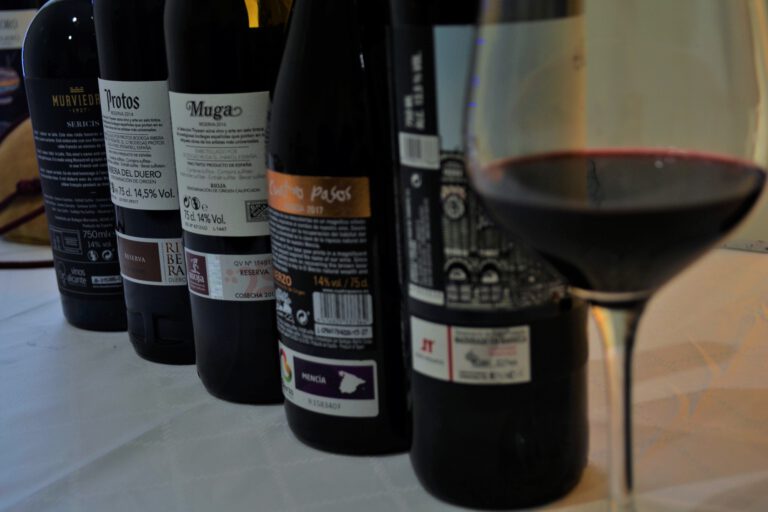
Traditional wineries gradually adopted modern equipment, improved quality controls and developed new winemaking techniques. At the same time, Spain established official wine classifications and protected designations of origin, helping consumers identify wines by region and quality standards.
These developments laid the foundations for the modern Spanish wine industry.
The Renaissance of Bobal and Native Varieties
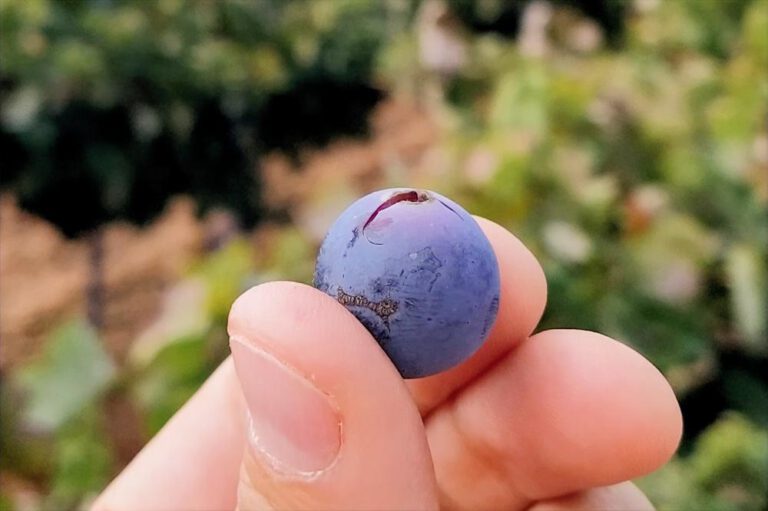
In recent decades, Spanish wineries have increasingly focused on recovering indigenous grape varieties.
The Bobal grape, traditionally associated with bulk wine production, has experienced a remarkable renaissance.
Today, many wineries produce high-quality wines that showcase the unique characteristics of this native variety.
Other local grapes such as Tardana and Merseguera are also receiving renewed attention, reflecting a growing interest in preserving regional identity.
👉 Discover the local Varieties in Valencia Best Wine Tours from Valencia
Wine Tourism and the Future
Modern wine regions are no longer defined solely by production.
Visitors increasingly seek authentic experiences that combine wine, gastronomy, history and local culture.
Wine tourism has become one of the fastest-growing sectors of the travel industry, helping regions preserve their heritage while creating new economic opportunities.
In regions such as Utiel-Requena, visitors can experience centuries of wine history while exploring modern wineries that remain deeply connected to their traditions.
Final Thoughts
Spain’s wine history is a story of continuity and transformation.
From medieval monasteries and Islamic irrigation systems to clay amphorae, railways and modern wineries, every period has contributed to the rich wine culture that exists today.
Understanding this history not only helps us appreciate Spanish wines but also reveals the deep connection between landscape, culture and tradition that continues to define wine regions across the country.
FAQ – Wine History in Spain
How old is winemaking in Spain?
Winemaking in Spain dates back more than 2,500 years and has been influenced by Phoenician, Roman, medieval and modern traditions.
Did wine production continue during Islamic rule?
Yes. Although alcohol consumption was restricted, vineyards continued to be cultivated and grapes remained economically important.
What are tinajas?
Tinajas are large clay vessels traditionally used for fermenting and storing wine, particularly in the Utiel-Requena region.
How did phylloxera affect Spanish wine?
The phylloxera crisis devastated vineyards across Europe but initially increased demand for Spanish wines as French production declined.
What is the Bobal grape?
Bobal is a native grape variety from the Utiel-Requena region that has become increasingly recognized for producing high-quality wines.