Discover Valencia’s Hidden Wine Country
When people think about Spanish wine, regions such as Rioja or Ribera del Duero usually come to mind.
But did you know that just one hour from Valencia lies one of Spain’s oldest and most fascinating wine regions?
Welcome to Utiel-Requena, a land of vineyards, medieval towns, underground wine caves and family-run wineries where wine has been part of everyday life for more than 2,500 years.
Whether you’re planning a wine tour from Valencia or simply curious about Spanish wine, understanding the Utiel-Requena wine region will help you appreciate why so many visitors fall in love with this hidden corner of eastern Spain.
Where Is the Utiel-Requena Wine Region?
The Utiel-Requena wine region is located about 70 kilometres (43 miles) west of Valencia, making it one of the easiest wine destinations to visit from the city.
Despite being so close to the Mediterranean coast, the landscape changes dramatically. The orange groves disappear, while the the vineyards and the mediterranean forest begin.
The roads climb gently towards a plateau nearly 700–900 metres above sea level, where warm sunny days are balanced by cool nights. These temperature differences are one of the secrets behind the freshness and elegance of the wines produced here.
A Wine Region with More Than 2,500 Years of History
One of the things that makes Utiel-Requena truly unique is its extraordinary history.
Wine has been produced here since at least the 7th century BC, when the Phoenicians introduced vines to the Iberian Peninsula and local Iberian communities began making wine. These civilization started trading massively the wine with other mediterranean civilizations as Carthaginians, Greeks and then, later, the Romans, who expanded vineyards throughout the region and developed wine production on a much larger scale.
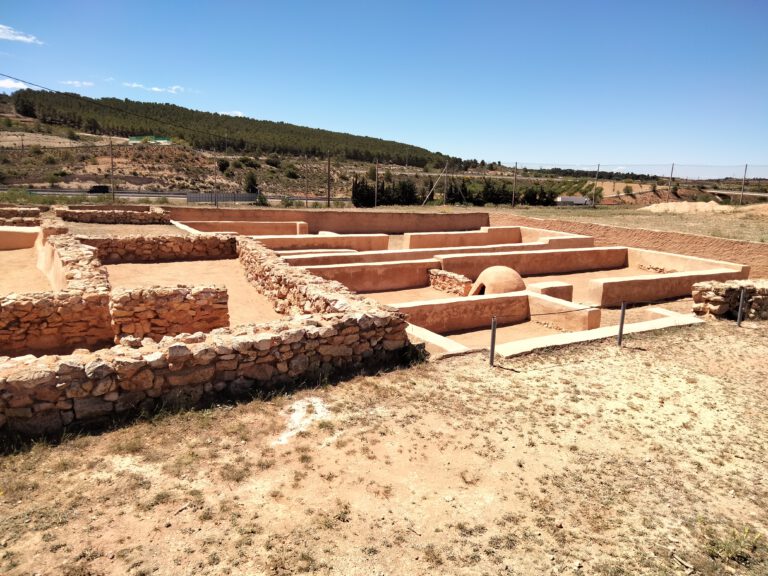
Archaeological discoveries, including ancient wine presses, amphorae, ancient fermentation tanks and Roman villas, remind us that wine has shaped this landscape for centuries.
But the story didn’t stop there.
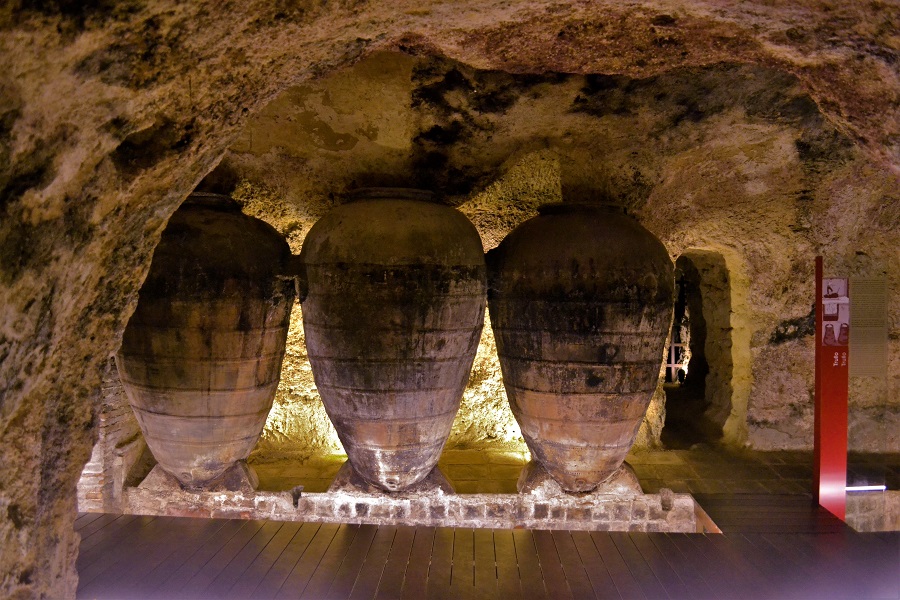
Throughout the Middle Ages, monasteries helped preserve winemaking traditions, while local craftsmen produced thousands of large clay vessels known as tinajas, used to sometimes ferment, but basically store wine.
Even today, wine is part of the identity of the region.
The Home of Bobal
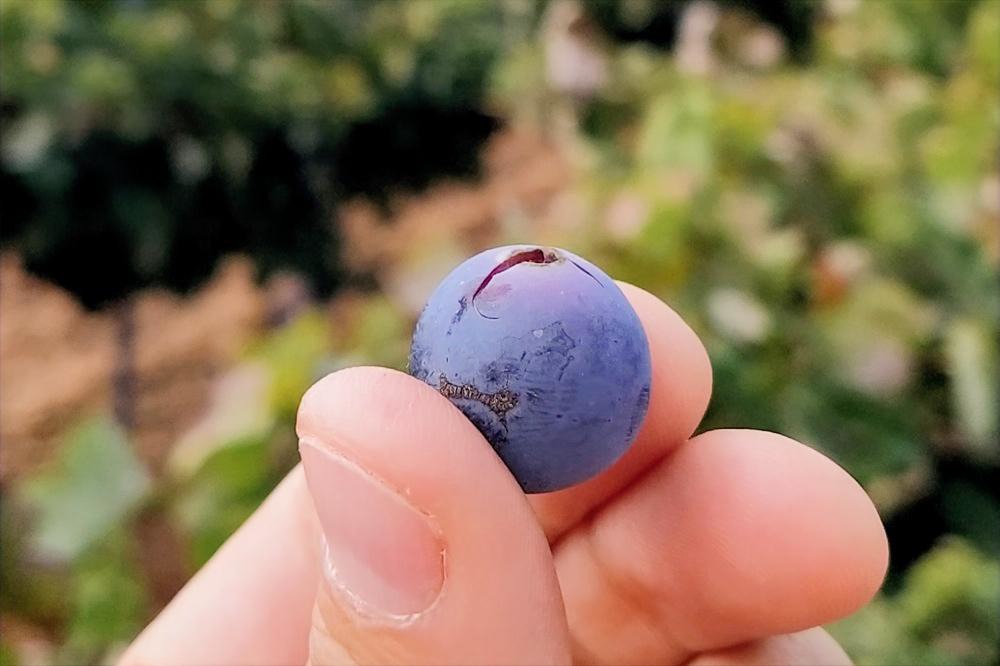
If there is one grape that defines Utiel-Requena, it is Bobal. Native to this region, Bobal is one of Spain’s oldest indigenous grape varieties. For many years it remained one of Spain’s best-kept wine secrets.
Today, however, wineries are proving that Bobal is capable of producing elegant, expressive and age-worthy wines that truly reflect the landscape where they are grown.
Understanding Bobal means understanding the story of Utiel-Requena itself.
👉 Read more: What Is Bobal Wine?
More Than Just Bobal
Although Bobal is undoubtedly the region’s flagship grape, it is not the only variety grown here.
Visitors will also find:
- Tempranillo
- Cabernet Sauvignon
- Syrah
- Garnacha
- Macabeo
- Merseguera (Valencian white variety)
- Chardonnay
- Sauvignon Blanc
- Tardana (a traditional local white variety)
This diversity allows wineries to produce everything from fresh whites and elegant reds to sparkling wines and experimental small-batch wines.
Family Wineries and Authentic Experiences
Unlike some of Spain’s larger wine regions, many wineries in Utiel-Requena remain family-owned.
This creates a very different visitor experience.
Instead of large tourist complexes, visitors often meet the owners themselves, walk through vineyards with the winemaker and taste wines where they are produced. Also, now we can find farmers who traditionally were sending thjeir grapes to the Cooperative and now they have created micro-wineries with their best grapes.
For many travelers, this authenticity becomes one of the highlights of visiting the region.
The Underground Wine Caves
One of the greatest surprises for first-time visitors is discovering the historic underground wine caves beneath the medieval town of Requena.
These caves were carved into the rock centuries ago to store wine at a constant temperature throughout the year.
Some were used by noble families.
Others belonged to local merchants.
Together they illustrate how deeply connected the town has always been to wine production and trade.
Today, many of these caves can still be visited.
Why Are the Wines So Different?
People often ask why wines from Utiel-Requena taste different from those produced along the Mediterranean coast.
The answer lies in geography.
The region combines:
- High altitude vineyards
- Mediterranean sunshine
- Continental climate
- Limestone and clay soils
- Cool nights during summer
These conditions allow grapes to ripen slowly while preserving freshness and acidity.
The result is balanced wines that express both fruit and elegance.
The Utiel-Requena Designation of Origin
Although winemaking in Utiel-Requena dates back more than 2,500 years, the region received official recognition much more recently. The Utiel-Requena Denominación de Origen (DO) was officially established in 1932, making it one of Spain’s oldest protected wine appellations. Today, the DO brings together dozens of wineries and thousands of hectares of vineyards, ensuring that wines labelled “Utiel-Requena” meet strict standards of origin, quality and production.
The region produces a wide variety of wines, including red, white, rosé, sparkling Cava and sweet wines, although it is best known for its reds made from Bobal, the native grape that has become the symbol of the region. While modern wineries embrace innovation, many continue to preserve traditional techniques and old vineyards, creating wines that express the unique character of the local landscape.
A Region That Continues to Evolve
For decades, much of the region’s wine was sold in bulk.
Today, the story is changing. A new generation of winemakers is focusing on quality rather than quantity. Old vineyards are being recovered. Native grape varieties are being celebrated. Family wineries are investing in sustainable viticulture and modern techniques while respecting centuries of tradition.
The result is a wine region that is quietly becoming one of Spain’s most exciting destinations for wine lovers.
Visiting the Utiel-Requena Wine Region
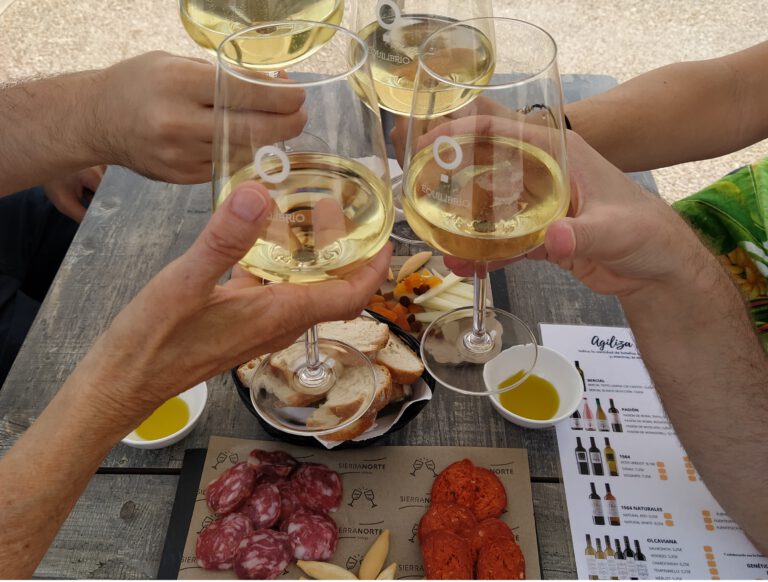
Reading about the region is one thing: Walking through the vineyards, talking to local winemakers and tasting wines where they are produced is something completely different. Because the region is located less than one hour from Valencia, it is the perfect destination for a half-day or full-day wine experience.
Whether you are interested in history, gastronomy or simply enjoying great wines, Utiel-Requena offers an authentic experience that remains largely undiscovered by mass tourism.
Full-Day Wine and Olive Oil Tour to discover the essence of the local culture and gastronomy.
Final Thoughts
The Utiel-Requena wine region is much more than a place where wine is made.
It is a landscape shaped by centuries of history, traditions and generations of winemakers.
From ancient Iberian settlements to modern family wineries, every vineyard tells part of the story.
If you’re looking to discover a different side of Valencia, there is perhaps no better place to begin than among the vineyards of Utiel-Requena.
FAQ
What is the Utiel-Requena wine region?
Utiel-Requena is one of Spain’s oldest wine regions, located about one hour west of Valencia. It is famous for its native Bobal grape, historic wineries and more than 2,500 years of winemaking history.
How far is Utiel-Requena from Valencia?
The region is approximately one hour by car from Valencia, making it one of the most popular day trips for wine lovers.
What grape is Utiel-Requena famous for?
The region is best known for Bobal, a native grape variety that has become one of the symbols of Valencian wine.
Can you visit wineries in Utiel-Requena?
Yes. Many wineries offer guided tours, wine tastings and vineyard visits. Family-owned wineries are especially popular for visitors seeking authentic wine experiences.
Is Utiel-Requena worth visiting?
Absolutely. Besides excellent wines, the region offers medieval towns, underground wine caves, beautiful vineyard landscapes and a rich cultural heritage that makes it one of the best day trips from Valencia.
When is the best time to visit Utiel-Requena?
Spring and autumn are particularly beautiful, although wineries welcome visitors throughout the year. Harvest season, usually between August and October depending on the grape variety, is especially lively.
Which wines should I try in Utiel-Requena?
Bobal is the region’s signature grape and a must-try, but visitors can also enjoy excellent sparkling wines, elegant reds and fresh white wines made from both local and international varieties.
How can I visit the Utiel-Requena wine region from Valencia?
The easiest way is by joining a guided wine tour that includes transportation, winery visits and tastings, allowing you to fully enjoy the experience without worrying about driving.