Wine has been part of human history for thousands of years, long before Spain became one of the world’s great wine-producing countries.
To understand the origins of Spanish wine culture, we have to travel back to ancient Mesopotamia and the Caucasus, where some of the first civilizations began cultivating vines and producing wine more than 6,000 years ago. From there, wine culture spread across the Mediterranean through trade, migration, and conquest, eventually reaching the Iberian Peninsula.
Today, regions like Utiel-Requena still preserve traces of this incredible journey. In fact, some of the oldest archaeological remains linked to wine production in Spain can be found here (2500 years old), connecting modern wine experiences with a history that stretches back thousands of years.
The Origins of Wine: Mesopotamia and the Mediterranean
The earliest evidence of winemaking comes from ancient Mesopotamia and the Caucasus region, where early civilizations discovered how to ferment grapes and store wine in clay vessels.
Wine soon became much more than a drink. It played an important role in religion, trade, medicine, and social life. As Mediterranean civilizations expanded their trade routes, wine culture traveled with them.
The Phoenicians, famous sailors and merchants from the eastern Mediterranean, were among the first to bring organized viticulture to the Iberian Peninsula.
The Phoenicians Bring Wine to Spain
Around the 8th century BC, the Phoenicians established trading colonies along the Mediterranean coast of the Iberian Peninsula.
They introduced:
- New vineyard cultivation techniques
- Amphorae for storing and transporting wine
- Mediterranean trade networks
- Knowledge about wine preservation and commerce
Their influence helped transform wine into an important product throughout ancient Hispania.
One of the most important Phoenician settlements was Gadir, modern-day Cádiz, which became a key center for trade between the Mediterranean and the Iberian Peninsula.
Over time, local Iberian cultures (Tartesos first and then Iberians)adopted these techniques and developed their own winemaking traditions.
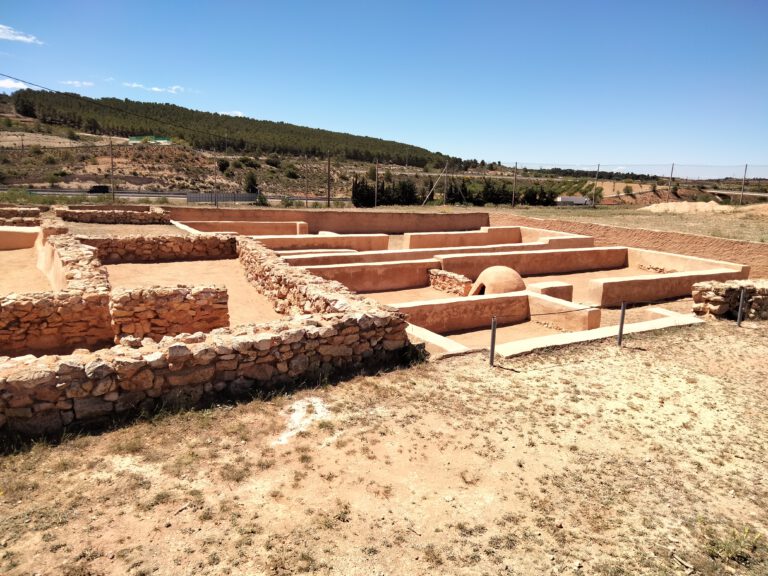
Kelin: The Iberian Origins of Wine in Requena
Long before the Romans arrived, the area around modern-day Requena already had a strong connection to wine.
One of the most important archaeological sites in the region is Kelin, an ancient Iberian city located near present-day Caudete de las Fuentes, in the Utiel-Requena area.
Kelin was an important settlement between the 7th and 1st centuries BC and played a key role in trade routes connecting the Mediterranean coast with inland Iberia.
Archaeological discoveries in the area show that wine was already consumed and traded here more than 2,500 years ago.
This makes the Utiel-Requena region one of the oldest wine-producing areas in Spain.
Las Pilillas: One of the Oldest Wine Presses in Spain
Another extraordinary discovery connected to local wine history is Las Pilillas, an archaeological site near Requena that contains some of the oldest known wine presses in the Iberian Peninsula.
Dating back to the 7th century BC, Las Pilillas preserves stone structures used for pressing grapes and producing wine.
These ancient presses demonstrate that organized wine production already existed in this region centuries before the Roman Empire.
Today, Las Pilillas is considered one of the most important archaeological wine sites in Spain and a unique example of early winemaking culture in the western Mediterranean.
For visitors exploring the wine region around Valencia, this historical connection adds an entirely different dimension to the experience. Wine here is not simply part of gastronomy — it is part of the landscape, identity, and history of the region.
The Romans and the Expansion of Wine Culture
The arrival of the Romans transformed wine production across Hispania.
After conquering the Iberian Peninsula, the Romans expanded vineyards, improved agricultural systems, and developed roads and trade routes that allowed wine to be exported throughout the empire.
Wine became an essential part of Roman life:
- Consumed daily during meals
- Used in religious ceremonies
- Served at celebrations and public events
- Traded across the Mediterranean
The Romans also helped standardize and professionalize wine production.
Saguntum and Roman Hispania
North of Valencia we can find one of the most important settlements in Ancient History: Saguntum or Arse. This city, kept away the Anibal Barca troops (for 8 months) and was the last stand before the Second Punic War started! Once the Romans won the War and expand their Enpire in Hispania, Sagunto became an important colony where some people could get the citizenship. Those privileges made that the Port became one of the most important fro trading. Importing and Exporting products. One of those products was wine. However was not consider a great wine, every year thousends of amphorae left Saguntum full of wine direction to other areass in the Empire.
Even today, the Roman legacy remains visible throughout the Mediterranean coast, where archaeological remains, amphorae, ancient roads, and historic vineyard landscapes continue to tell the story of Spain’s ancient wine culture.
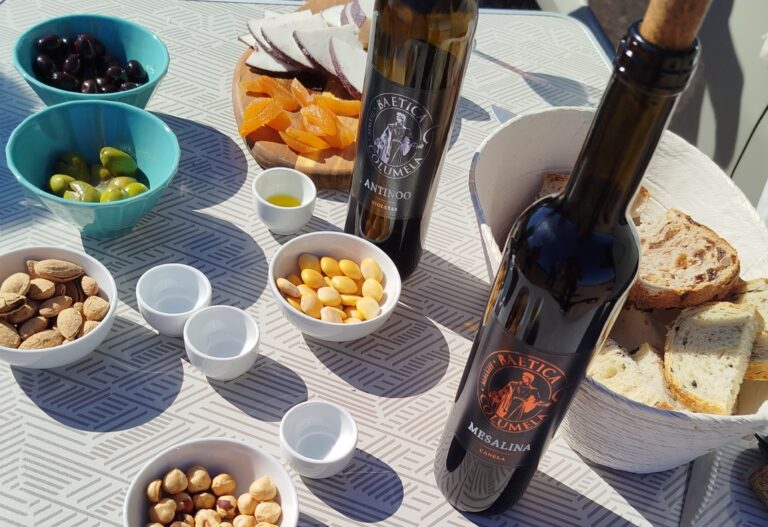
Even nowadays you can still enjoying the tipical Roman Wine in our Ancient Wine Tour, visiting the town of Saguntum and a Villa Rusticae where wine and olive oil were produced to export during the 3 and 4th Century
Wine Culture in Utiel-Requena Today
The history of wine in Spain is not only something preserved in museums or archaeological sites.
In regions like Utiel-Requena, wine culture is still very much alive.
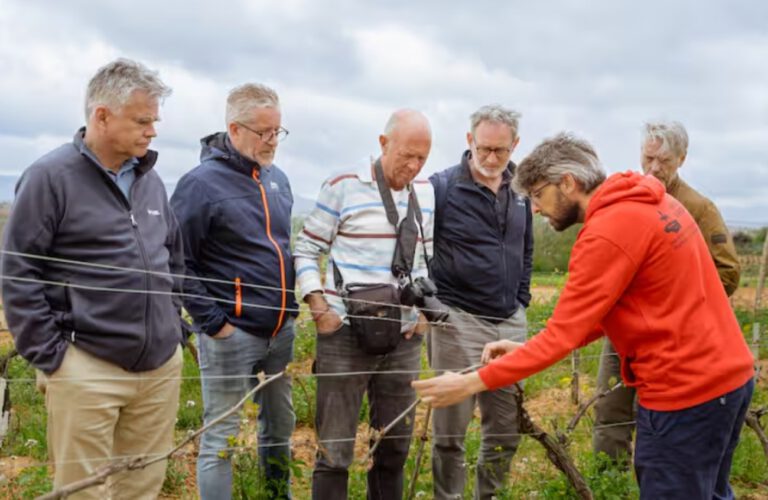
Traditional vineyards, family-owned wineries, local grape varieties like Bobal, and centuries-old winemaking traditions continue to shape daily life in the region.
For many visitors, discovering the wines near Valencia is also a way of connecting with the deep historical roots of Mediterranean culture.
Discover the History of Spanish Wine Near Valencia
Exploring the wine region of Utiel-Requena offers much more than wine tastings.
It is an opportunity to discover one of the oldest winemaking territories in Spain, where Iberian, Phoenician, and Roman history still forms part of the landscape.
From ancient archaeological sites like Kelin and Las Pilillas to modern wineries producing outstanding wines, the region offers a unique combination of history, culture, gastronomy, and wine.
If you would like to experience this heritage firsthand, join one of our wine tours from Valencia and discover the stories, traditions, and wines that make this region so special.