Bobal Wine
If you visit the wineries near Valencia, there is one grape you will hear about again and again: Bobal.
But what makes it so special?
For many years, Bobal lived in the shadow of more famous Spanish varieties such as Tempranillo or Garnacha. Most wine lovers outside Spain had never heard of it. Yet for centuries, Bobal has been part of the landscape of eastern Spain, quietly shaping the identity of the Utiel-Requena wine region. Today, however, the story is very different. Bobal has become one of the symbols of Valencian wine and one of the most exciting native grape varieties in Spain.
To understand why, we need to travel back in time.
A Grape Born in the Heart of Valencia
Bobal is native to the Utiel-Requena region, located about one hour west of Valencia.
Unlike many grape varieties that spread across different countries, Bobal has remained closely linked to its place of origin. For generations, local families cultivated it in vineyards that adapted perfectly to the Mediterranean climate and the high-altitude plateau of the region.
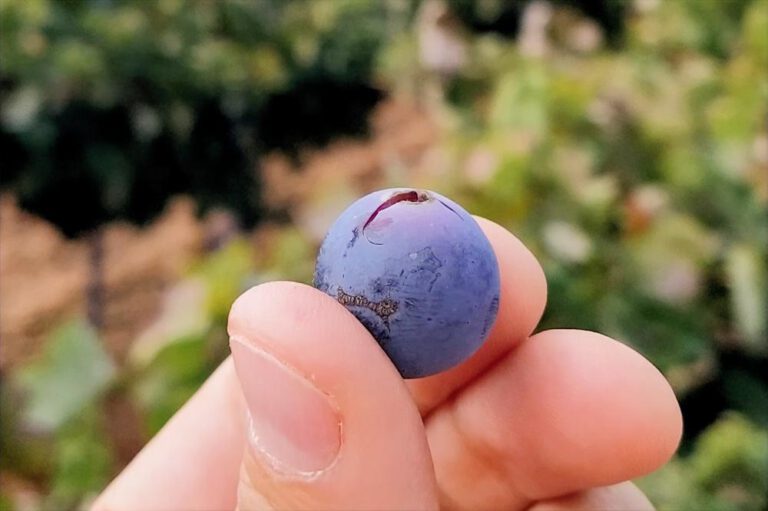
The name “Bobal” is believed to come from the Latin word bovale, meaning “bull’s head”, because the shape of the grape clusters resembles the head of a bull.
Today, thousands of hectares of vineyards are still planted with Bobal, making it one of Spain’s most important indigenous grape varieties.
So Why Haven’t More People Heard About It?
This is one of the most interesting parts of the story.
Many people assume that Bobal has always been considered a prestigious grape. In reality, for much of the twentieth century, it played a very different role in the Spanish wine industry.
Bobal naturally produces wines with intense colour, good acidity and strong structure. These characteristics made it extremely valuable to winemakers, but often for reasons that consumers never saw.
Large quantities of Bobal wine were sold in bulk and transported to other wine-producing regions of Spain. Its deep colour and freshness helped improve blends and strengthen wines produced elsewhere.
As a result, Bobal became a grape that many winemakers appreciated, but very few consumers knew.
From Supporting Role to Leading Variety
For decades, the region supplied bobal wine to others while receiving little recognition for its own identity. The first major turning point came during the phylloxera crisis in Europe. As French vineyards were devastated by the disease, wine merchants looked elsewhere for supplies. The Utiel-Requena region became one of Spain’s most important wine-producing and exporting areas, helping satisfy the growing demand across Europe.
Later, throughout much of the twentieth century, large volumes of Bobal wine were sold in bulk and transported to other wine-producing regions. Its deep colour, natural acidity and structure made it an ideal blending wine, often helping improve wines produced elsewhere in Spain. Ironically, while many winemakers appreciated Bobal, very few consumers ever knew its name.
Then everything began to change. Over the last twenty years, however, the perception of Bobal has changed dramatically. A new generation of winemakers began focusing on old vineyards, lower yields and quality-driven production. Instead of using Bobal merely as a blending component, they started bottling it as a varietal wine capable of expressing the unique character of the Utiel-Requena region. Learn more about the wine history in the region with those articles: History of Wine in Spain (I) & History of Wine in Spain (II)
Today, Bobal is increasingly regarded as one of Spain’s most exciting native grape varieties and has become a symbol of the region’s wine renaissance.
What Does Bobal Wine Taste Like?
If you’ve never tasted Bobal before, you might be wondering what to expect.
Typically, Bobal wines offer aromas of:
- Blackberries
- Cherries
- Plums
- Mediterranean herbs
- Floral notes
- Spices
One of the grape’s greatest strengths is its natural acidity, which gives freshness and balance to the wine.
Depending on how it is produced, Bobal can create both easy-drinking wines and more complex bottles suitable for ageing.
This versatility is one of the reasons why winemakers are becoming increasingly interested in the variety.
The Treasure of Old Vineyards
Another fascinating aspect of Bobal is the age of many of its vineyards.
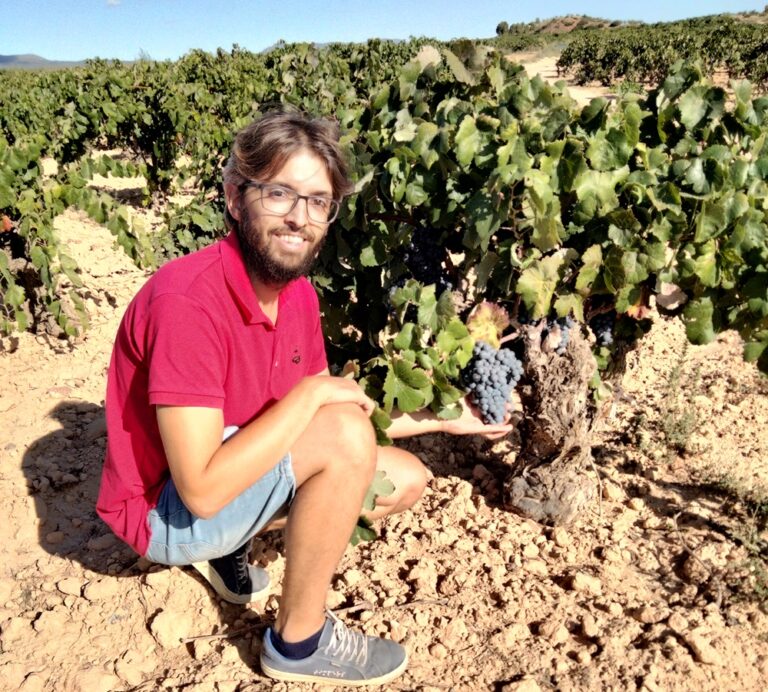
While some wine regions have replaced older vines with more productive plantations, Utiel-Requena still preserves a remarkable number of old Bobal vineyards.
Many vineyards are more than fifty years old, while others are sixty, seventy, eighty or even over ninety years old. These old vines naturally produce fewer grapes, but the fruit is usually more concentrated, giving wines greater complexity and character.
For many wineries, these vineyards represent one of the greatest treasures of the region.
Why Is Bobal Important Today?
The wine world is constantly looking for authenticity and Wine Lovers increasingly want to discover grapes, regions and stories that are different from the mainstream.
This trend has created a new opportunity for varieties such as Bobal in Valencia and Utiel-Requena region.
Like many wine regions, Utiel-Requena spent part of the 1980s and 1990s looking towards international styles. Today, however, the trend has completely changed. Wineries once again embracing what makes them unique: their landscape, their history and, above all, their native grape.
As climate change also becomes a growing challenge, Bobal’s natural adaptation to warm and dry conditions has attracted increasing attention from wine professionals but the future may look surprisingly bright for a grape that spent so many years in the shadows.
Discovering Bobal in Its Homeland
Reading and learning about Bobal is one thing. Tasting it where it is grown is something completely different.
One of the most rewarding experiences for wine lovers visiting Valencia is exploring the Utiel-Requena wine region, where Bobal has been cultivated for generations. Here, visitors can discover historic vineyards, traditional wineries and modern producers that are helping redefine the reputation of this remarkable grape.
Understanding Bobal means understanding the story of the region itself
Perhaps the greatest success of Bobal is not that it has become fashionable, but that it has finally found its own voice. For decades it helped build the reputation of other wines. Today, it proudly represents the identity of its own region.
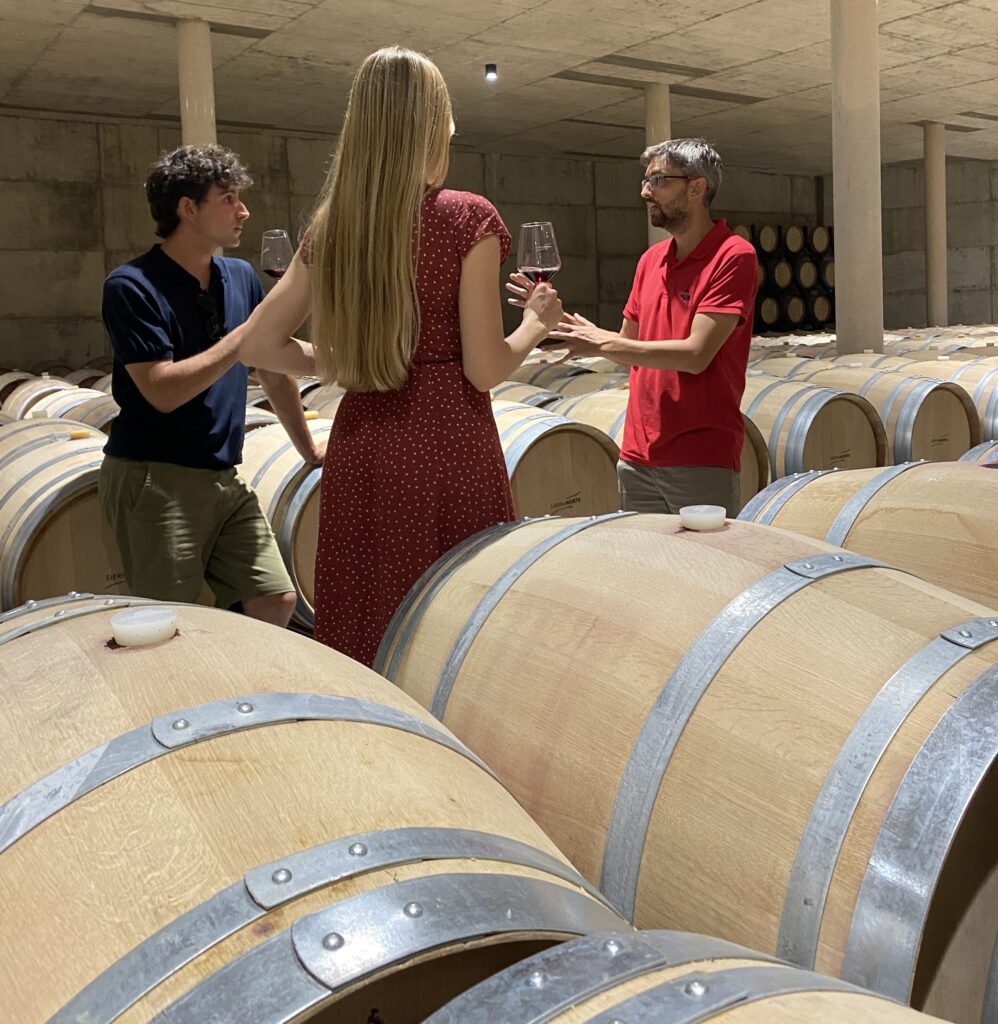
Are you ready to discover Bobal Grape?
For decades, Bobal was one of Spain’s best-kept wine secrets (And in some areas still unknown). Today, it is finally receiving the recognition it deserves.
Its journey from bulk wine production to premium wines reflects the transformation of the entire Utiel-Requena region: a region that once supplied wine to others and now proudly showcases its own identity.
Whether you are a wine enthusiast or simply curious about the culture of Valencia, discovering Bobal offers a fascinating window into one of Spain’s most authentic wine traditions.
If you want to learn more and experience bobal from scratch, we recommend you to escape from the city during 1 day or even half visiting the landscape, the wineries and tasting this local variety in the local wineries we have in Utiel-Requena. Half-Day Wine Tour. Or even if you prefer to know more about the local gastronomy in Utiel-Requena beyond Bobal, we highly recommend you to go on a full-day wine and olive oil tour. Full-Day Wine Tour Utiel-Requena
FAQ – Bobal Wine
What is Bobal wine?
Bobal wine is made from the Bobal grape, a native variety grown mainly in the Utiel-Requena wine region near Valencia. Once known for producing bulk wines, Bobal is now recognized for creating high-quality wines with freshness, structure and great ageing potential.
Where is Bobal grown?
Bobal is primarily grown in the Utiel-Requena Denomination of Origin, about one hour west of Valencia. It is also cultivated in nearby regions such as Manchuela and Ribera del Júcar, but Utiel-Requena is considered its historic homeland.
What does Bobal wine taste like?
Bobal wines are typically full of fresh red and black fruit flavours, such as cherries, blackberries and plums. Depending on the winemaking style, they may also show floral notes, Mediterranean herbs and spices, always supported by a refreshing natural acidity.
Why is Bobal becoming so popular?
For many years, Bobal was mainly used for blending wines. Today, a new generation of winemakers has demonstrated its ability to produce elegant, expressive and age-worthy wines. This renewed focus on quality has made Bobal one of Spain’s most exciting native grape varieties.
Is Bobal only used to make red wine?
Mostly yes, although some wineries also produce excellent rosé wines from Bobal. Thanks to its natural acidity and fruit character, it is a versatile grape capable of producing different wine styles.
What food pairs well with Bobal wine?
Bobal pairs beautifully with grilled meats, lamb, cured cheeses, rice dishes such as paella, roasted vegetables and Mediterranean cuisine. Its freshness also makes it an excellent companion for modern gastronomy.
Why are old Bobal vineyards so important?
Many vineyards in Utiel-Requena are between 50 and more than 90 years old. These old vines naturally produce fewer grapes, resulting in wines with greater concentration, complexity and character.
Can I visit wineries that produce Bobal near Valencia?
Yes. The Utiel-Requena wine region is located just one hour from Valencia and offers numerous wineries where visitors can discover Bobal, tour the vineyards and enjoy guided wine tastings.
Is Bobal a sustainable grape variety?
Bobal is naturally well adapted to the warm and dry Mediterranean climate. Its resistance to drought and heat makes it increasingly valuable as wineries adapt to the challenges of climate change.
(Esta pregunta cada vez tiene más búsquedas).
Is Bobal the oldest grape variety in Valencia?
Although it is difficult to determine the exact age of the variety, Bobal has been cultivated in the Valencia region for centuries and is considered one of Spain’s oldest native grape varieties, closely linked to the history of Utiel-Requena.